
The Investigation Narrows on Katy’s Killer
In the WoodsThe investigation of Katy Devlin’s murder moves from a bewildering field of possibilities to a crime scene, confession, and arrest, while leaving the killer’s larger motive initially concealed.
increasing Bearing strength in each event
 decreasing
Bearing strength in each eventdecreasingA Body on the Altar Stone
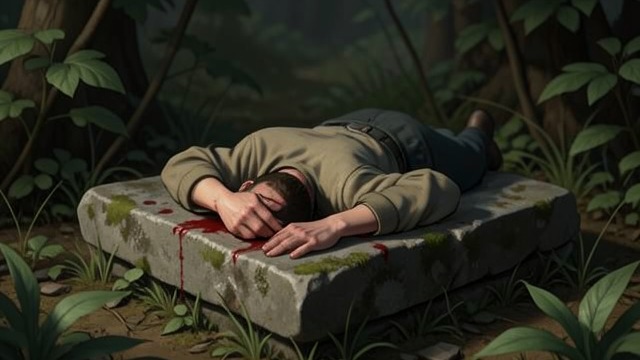
A Carefully Placed Body
The Discovery
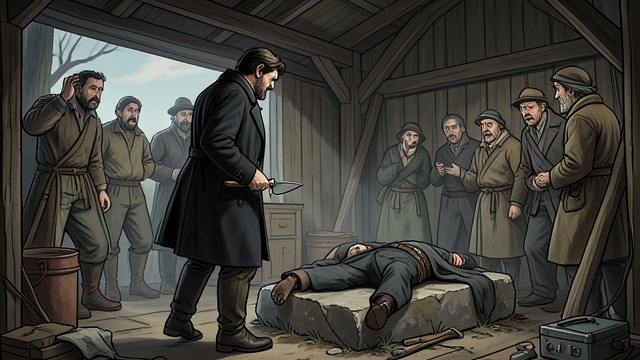
Archaeologists find Katharine Devlin on the Bronze Age ceremonial stone at Knocknaree archaeological site. Her coordinated clothes, covered hands, head injuries, and signs of post-mortem assault point toward a deliberate killing, while the lack of blood on the stone shows that the location is not where she was attacked.
The First Uncertainty
The body’s position suggests that whoever left it there wanted it found, yet the killer has taken steps to conceal the violence and obscure the time she spent elsewhere. Rob Ryan’s personal connection to Knocknaree makes the scene especially disturbing, but he hides that connection from the investigation’s leadership.
The Suspect Field Spreads
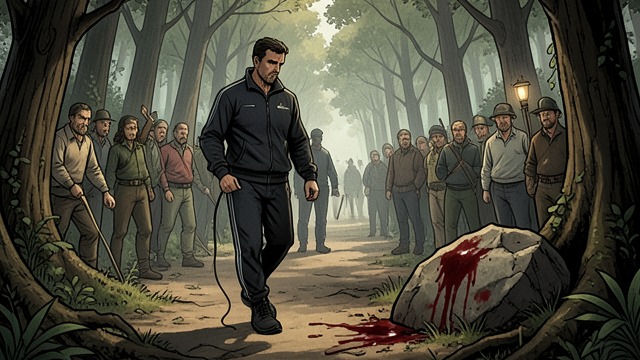
Every Direction Looks Possible
Family, Stranger, or Conspiracy
The detectives examine the Devlin household, a possible sexual offender, a cult theory encouraged by the altar setting, and threats connected to Jonathan Devlin’s motorway campaign. Reports of a large bald man in a dark tracksuit appear to offer a lead, but witnesses provide no clear identification and the description is broad.
Weak Clues Accumulate
The archaeological site yields a bloodstained rock, many ordinary traces left by visitors, and an old stain that may connect with the earlier disappearance case. Each clue opens another line of inquiry without identifying the killer. The case’s growing number of plausible explanations increases pressure on Rob Ryan and Cassie Maddox to distinguish evidence from coincidence.
The Local Lead Falters
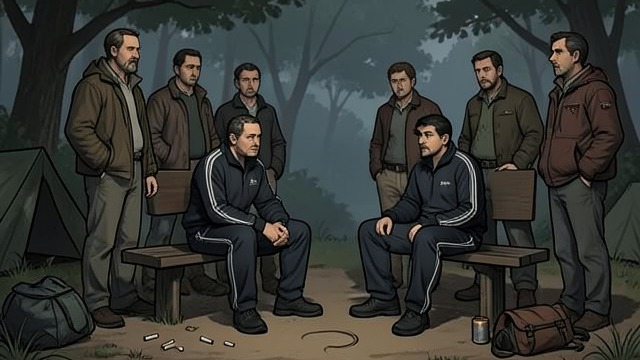
An Apparent Trail Goes Cold
Mark Hanly Under Suspicion
A campsite in Knocknaree wood contains roll-your-own cigarette butts and a long fair hair, details that point toward Mark Hanly. He admits that he sometimes slept in the wood and saw a torch crossing the archaeological site on the night before Katy was found, placing a possible witness near the area.
An Alibi Weakens the Case Against Him
Mark Hanly’s fellow archaeologists support his account of the night Katy died, and he describes his earlier stay in the wood as a vigil for the threatened site. His testimony narrows the likely area in which the body was held but does not make him the killer. The detectives must continue without the quick arrest they had briefly hoped the lead might provide.
The Trowel Reveals the Crime Scene
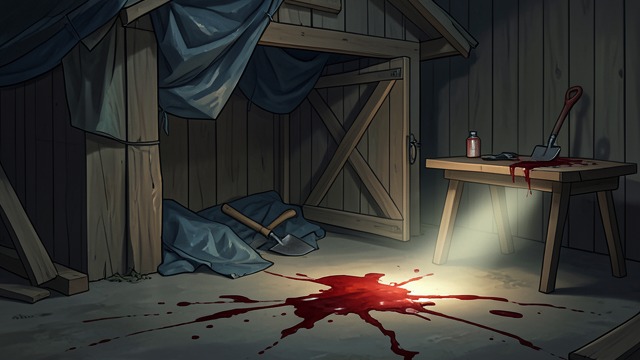
Evidence in the Sheds
A Lost Tool Becomes a Lead
Remembering that Sean Callaghan reported a missing trowel, Rob Ryan establishes that the tool had been left in the locked finds shed before Katy died. The implement’s shape matches the pathologist’s description of the object used in the post-mortem assault, making its disappearance far more significant than the earlier speculation about the body’s placement.
Blood Confirms the Scene
The trowel is found hidden beneath tarpaulins in the tools shed. In the finds shed, luminol reveals extensive blood patterns that cleaning had failed to erase. The evidence establishes where Katy was killed and held, and sharply limits the suspects to people with access to the locked sheds.
Damien’s Confession and Arrest
The Unexpected Suspect
A Carefully Applied Pressure
Damien Donnelly initially presents as an anxious, gentle student with no apparent history of violence. With the sheds and their traces established as the crime scene, the detectives confront him with the physical evidence and with the possibility that a first-time killer cannot live with what he has done.
Confession Without Closure
Damien Donnelly admits striking Katy, suffocating her, hiding her body in the tools shed, and moving it to the altar stone the following night. His account explains the delay in discovery and his invented tracksuit witness. He is arrested, but he withholds the reason for the killing, so the confession resolves the immediate question of who acted without resolving who shaped the act.
Wednesday morning in August, the day after Katy disappears
The first two days of Operation Vestal
The first week of the investigation
Several weeks into Operation Vestal, on the morning the investigation turns
The evening the shed evidence is processed
